
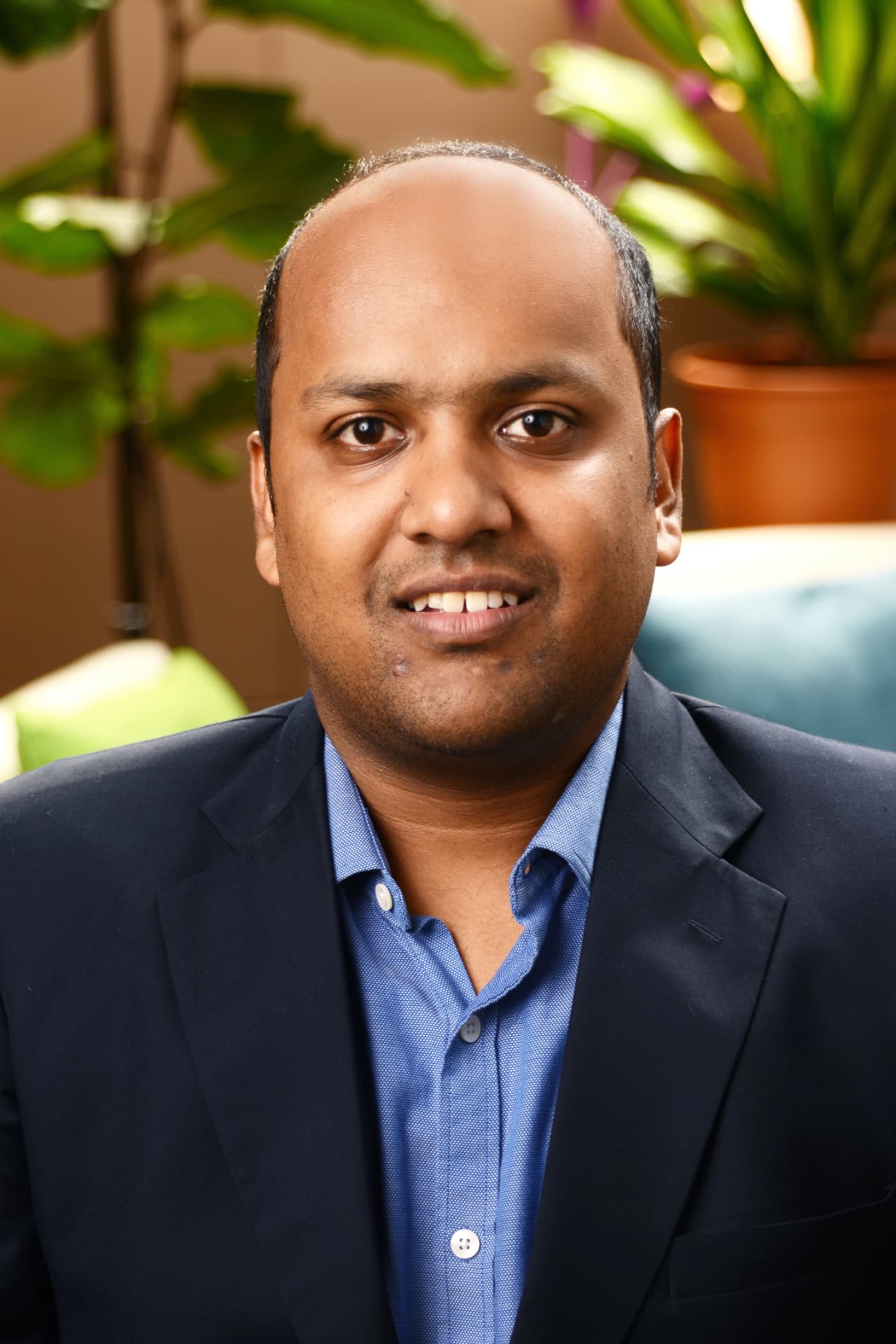
Shashank Gupta is part of the Innovate Calgary Expert Program, a network of experienced professionals who support founders and early-stage companies. Through the program and his own advisory work, he spends much of his time with founders and startup teams in Calgary, across Canada and in the United States, helping them see the risks to their people, their income and their company before those risks show up.
Innovate Calgary Expert
See Shashank's expert profile on the Innovate Calgary website.
View Shashank's Innovate Calgary expert profileWhat the Expert Program is
Innovate Calgary is the University of Calgary's innovation and business incubation hub. Its Expert Program connects founders with experienced professionals who share practical expertise while a company takes shape. Shashank contributes a risk, protection and planning perspective, grounded in actuarial science and management consulting.
What founders usually ask about
Protecting the founders themselves
In an early company, the founders are the business. If one of them is sick or injured for months, revenue, fundraising and product timelines can stall at the same time as that founder's personal income.
Key-person and cofounder risk
Investors and cofounders depend on a small number of people. Key-person coverage and properly funded shareholder or buy-sell agreements help a company keep going if the unexpected happens. The legal agreement itself stays with your lawyer.
The first benefits plan
Benefits often become a hiring and retention tool sooner than founders expect. A small group plan or a health spending account can be a practical first step for a team of a few people.
Personal income versus company money
Founders often pay themselves little and reinvest everything. That makes it important to understand which protection belongs personally and which may belong to the company, with your accountant involved in anything tax-related.
Lessons from working with founders
- 01
The company is often the founder's biggest asset, and the least protected.
Much of a founder's net worth sits inside a company that depends on them showing up every day. Looking at that dependency early is usually the most useful first conversation.
- 02
Agreements need funding, not just signatures.
A shareholder agreement that says a cofounder's shares will be bought out does not create the money to do it. Funding is a separate planning step.
- 03
Start simple, then review as you grow.
Founders do not need a complicated plan on day one. A few basics, reviewed at each funding round or hiring milestone, tends to work better than a large plan set up once and forgotten.
- 04
Plain language beats product pressure.
Founders make fast decisions with limited time. The job is to show where the gaps are, explain the options clearly and let the founder decide.
Calgary, across Canada and the US
Calgary's startup community is where much of this work happens, from university spin-outs to first-time founders building their first team. Founders across Canada run into the same questions as they hire, raise money and bring on cofounders. Shashank also works with founders and startup teams in the United States, sharing a risk and continuity perspective that applies wherever a company depends on a few key people.
Insurance advice and coverage are provided only where Shashank is licensed: Alberta, Ontario and British Columbia.
Questions founders ask
What is the Innovate Calgary Expert Program?
Innovate Calgary is the University of Calgary's innovation and business incubation hub. Its Expert Program connects founders and early-stage companies with experienced professionals who share practical expertise. Shashank Gupta contributes a risk, protection and planning perspective.
Do I need to be part of Innovate Calgary to work with Shashank?
No. Founders, startups and small businesses can start with the free Risk Assessment or contact Vital Shield directly, whether or not they are connected to Innovate Calgary.
What should a founder set up first?
It depends on the company, but most conversations start with the founders themselves: what happens to the company and to each founder's income if one of them cannot work. Benefits for the first hires and funding for cofounder agreements usually come next.
See where your company relies on assumptions
Free · about 5 minutes · no medical questions. You get a Protection Score and a plain-language view of what to review.
General information only; not tax, legal or investment advice.